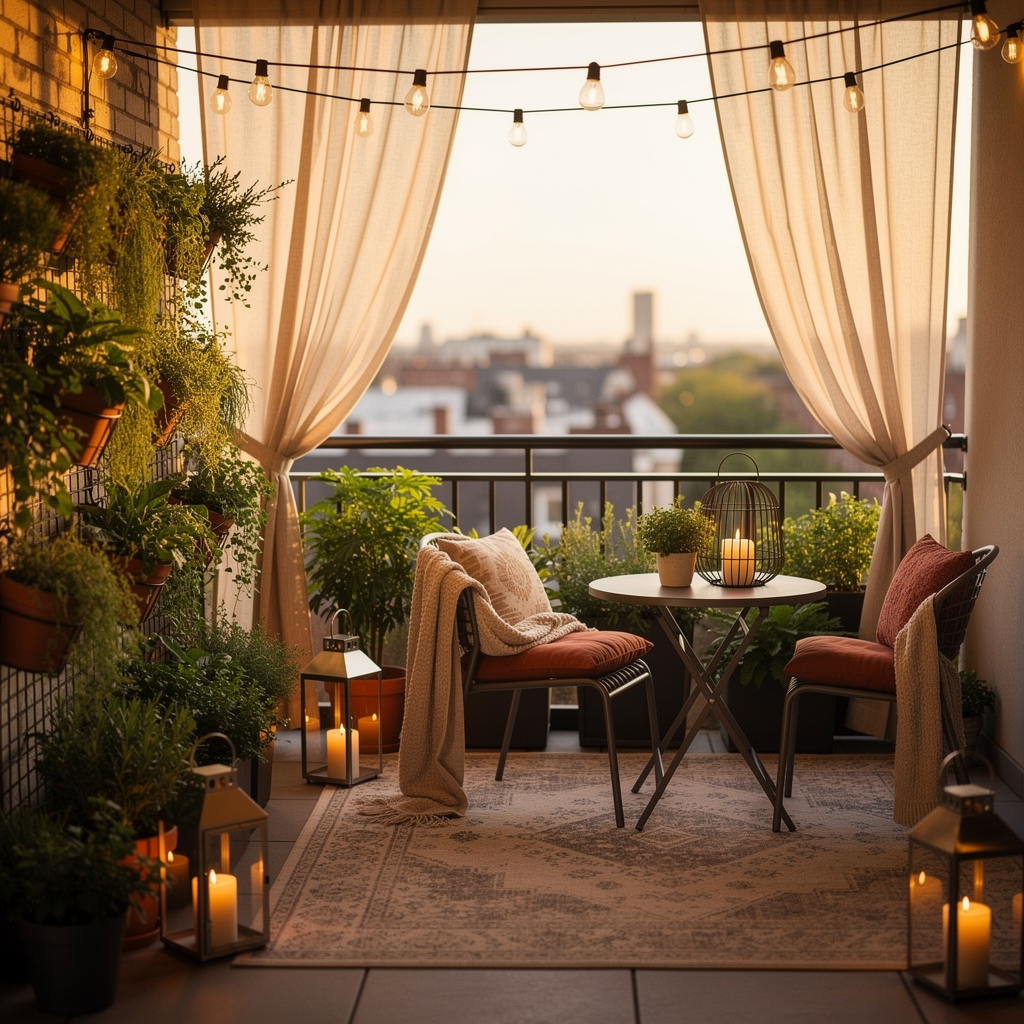
Even the tiniest outdoor footprint can become a guest’s favorite memory when transformed with intention, comfort, and style. In the competitive world of short-term rentals, a cozy balcony or patio isn’t just an aesthetic perk—it’s a strategic asset that directly enhances guest experience and increases rental yield. Whether you manage vacation rentals or oversee property management for multiple units, mastering small-space design can set your listings apart.
Why Your Outdoor Space Matters for Short-Term Rentals
Guests are increasingly seeking authentic, home-like experiences that extend beyond the bedroom and living room. According to a 2024 report by the Vacation Rental Marketing Association, 78% of travelers prefer properties with private outdoor spaces, citing them as a top factor in booking decisions. This preference translates directly into revenue: properties with well-designed balconies or patios often see up to a 15% increase in nightly rates compared to similar units without outdoor amenities. For hosts managing vacation rentals, this means your small outdoor space is not marginal—it’s central to your hosting strategy.
Assessing Your Space: Balcony vs. Patio
Before diving into decor, understand the unique strengths of your space. Balconies, typically elevated and attached to upper-floor units, offer privacy and a sense of exclusivity but may have weight restrictions and limited square footage. Patios, often ground-level and more spacious, allow for greater flexibility in furniture placement and landscaping. However, both can feel cramped if not designed with intention. The key is to treat them as functional extensions of your interior living areas, not just storage zones for unused chairs.
Design Principles for Small Outdoor Spaces
Successful small-space design relies on three core principles: verticality, multifunctionality, and layered comfort. Vertical gardening, such as hanging planters or wall-mounted herb gardens, introduces greenery without consuming floor space. Multifunctional furniture—like storage benches that double as seating or foldable bistro sets—maximizes utility. Layered comfort comes from combining textiles, lighting, and textures to create a warm, inviting atmosphere that feels intentional and cozy.
3 Actionable Strategies to Elevate Guest Experience
- Define Zones with Outdoor Rugs and Lighting: Use a weather-resistant rug to visually separate dining from lounging areas, and layer at least five light sources—such as string lights, lanterns, and candles—to create a warm, magical ambiance that feels curated and safe.
- Invest in Compact, Multifunctional Furniture: Choose a sleek bistro set or nesting stools that can be tucked away when not in use. Opt for pieces with slender legs and lower profiles to avoid visual clutter and maintain an illusion of spaciousness.
- Curate a Vertical Garden with Fragrant Plants: Install hanging planters or tiered stands with lavender, lantana, or moonflowers to enhance ambiance through scent and texture. This approach adds natural privacy and tranquility without sacrificing mobility.
Privacy and Shade: Essential for Guest Comfort
Privacy is a non-negotiable element for guest satisfaction, especially in dense urban areas or shared buildings. Tall planters, trellis walls, or sheer outdoor curtains can provide effective barriers while enhancing the aesthetic. For shade, consider retractable awnings, compact umbrellas, or pergolas that allow flexibility without permanent installation. These solutions not only protect guests from sun exposure but also create a sense of seclusion, making the space feel more intimate and personal.
Lighting: The Secret to a Cozy Atmosphere
Lighting transforms a small outdoor space from functional to magical. The rule of thumb is to use multiple light sources at different heights—overhead string lights paired with ground-level lanterns or LED candles. Battery-operated fairy lights, solar lanterns, and weatherproof candles provide warmth without requiring electrical outlets. A mix of lighting types creates a layered, intentional glow that feels inviting and safe, encouraging guests to linger longer and share positive reviews.
Textiles and Color: Adding Warmth and Personality
Textiles soften hard surfaces and add color, making the space feel like an extension of your interior. All-weather rugs in patterns and textures define the living area, while weather-resistant cushions and throws in vibrant fabrics infuse softness and warmth. Choose a consistent color palette that complements your indoor finishes to create a streamlined, unified look. Don’t hesitate to include sheepskins or layered decor to warm the area as the sun sets, enhancing the overall guest experience.
Maintaining Your Outdoor Space for Long-Term Success
A well-designed balcony or patio requires regular maintenance to ensure it remains a guest favorite. Clean furniture and rugs weekly, inspect plants for pests, and replace damaged textiles promptly. Store foldable items in weather-resistant bins to protect them from rain and UV exposure. For property managers, creating a simple maintenance checklist ensures consistency across all units, preserving your rental yield and reputation. A pristine outdoor space signals care and attention, reinforcing trust with your guests.
The Hosting Mindset: Treat Small Spaces as Big Opportunities
As a host, your mindset shapes your success. Don’t let limited square footage discourage you—instead, view it as a chance to innovate and create something special. Every small balcony or patio you transform becomes a testament to your commitment to guest experience. By applying these design principles and actionable strategies, you not only elevate your short-term rentals but also build a community of loyal guests who return and recommend your listings.
Now, take a moment to reflect: What small change could you make today to transform your outdoor space? Share your thoughts, join the hosting community, and let’s create cozy, memorable experiences together.
“,