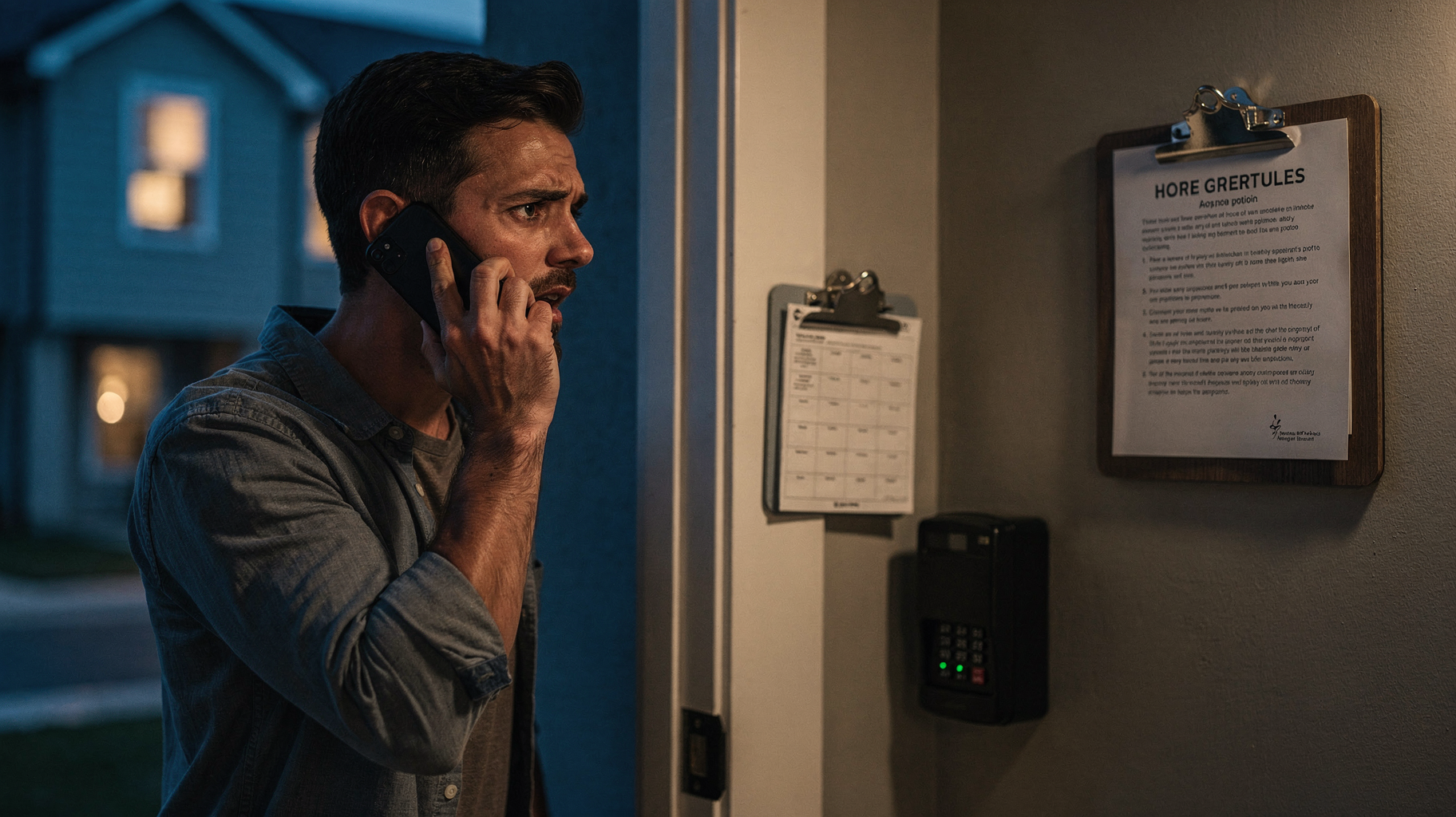
Neighbor complaints can turn a well-performing listing into a stressful problem overnight. The good news is that most issues in short-term rentals can be reduced with clear systems, fast communication, and thoughtful property management.
Why Neighbor Complaints Matter More Than Many Hosts Realize
For hosts, a neighbor complaint is not just a social inconvenience; it can affect your reputation, your bookings, and even your local compliance status. In vacation rentals, the guest experience does not end at the front door, because nearby residents are part of the environment that guests and hosts share.
Industry data shows why this issue deserves attention. AirDNA reported in its 2025 STR market analysis that many markets continue to face tighter competition and greater guest expectations, making operational quality more important than ever for protecting occupancy and rental yield. Separately, Airbnb stated in its 2024 community and safety reporting that it has removed or restricted millions of guests and listings in recent years through trust-and-safety measures, reflecting how seriously platforms treat disruptive behavior and complaints.
Those numbers point to a simple reality: if your hosting approach creates friction with neighbors, the business costs can be immediate. A single unresolved complaint can trigger platform scrutiny, HOA conflict, local enforcement attention, or repeat negative experiences that undermine long-term profitability.
Start With Prevention, Not Defense
The best complaint strategy begins before the first check-in. Hosts who proactively communicate with neighbors often reduce suspicion and create a channel for early problem-solving. That can make the difference between a minor issue and a formal escalation.
Before you launch or scale a listing, introduce yourself to adjacent neighbors and explain that you are operating a professionally managed vacation rental. Share how you plan to reduce disturbances, what kind of guests you host, and how they can reach you if something goes wrong. This approach is repeatedly recommended by short-term rental guidance from Safely, Rent Responsibly, and Nolo, which all emphasize early neighbor communication and clear lines of contact.
- Introduce yourself in person and share a direct phone number or property management contact for urgent issues.
- Explain your house rules clearly, including quiet hours, parking expectations, occupancy limits, and no-party policies.
- Let neighbors know that you take complaints seriously and will respond promptly rather than waiting until the issue grows.
- Document your compliance with local rules, permits, and HOA requirements so you can respond confidently if concerns arise.
When a Complaint Comes In, Respond Fast and Calmly
The first response matters as much as the solution. A neighbor who feels ignored is far more likely to escalate than a neighbor who feels heard. Hostfully recommends acknowledging the complaint immediately, even if you cannot fully resolve it at once, and then following up after action is taken.
When you receive a complaint, avoid arguing about whether the neighbor is “overreacting.” Focus on the specific issue: noise, parking, trash, smoking, pets, late arrivals, or visible guest behavior. A calm, respectful reply signals professionalism and protects the guest experience while preserving the relationship with the community.
If appropriate, speak with the neighbor face to face. Safely notes that meeting in person and expressing sincere regret can make a meaningful difference, especially when the complaint involves a real disturbance rather than a general dislike of short-term rentals. A face-to-face apology is not an admission of liability; it is often the fastest way to lower tension.
Talk to the Guest Immediately and Clearly
Once you know the problem, address it with the guest without delay. Keep the tone polite but direct, and connect the correction to your published house rules. If you manage the property professionally, guests should understand that good behavior is part of the stay, not an optional extra.
For example, if noise is the issue, remind the guest about quiet hours and ask for immediate reduction. If parking is the issue, restate the designated spaces and warn that repeated violations may affect their reservation. If the behavior continues, escalating to a formal warning or removal may be necessary as a last resort, especially when the complaint is serious or repeated.
Clear guest communication works best when it is repeated at multiple points in the stay. Guidance from Rent Responsibly and Tangy Management highlights the value of reinforcing expectations before arrival, at check-in, and during the stay if needed.
Use Systems That Reduce Complaints Before They Happen
The most effective hosts do not rely on goodwill alone. They build complaint prevention into operations, pricing, and listing design. That is where professional property management creates measurable value.
- Screen guests carefully by using booking rules, identity checks, and reservation questions that flag party risk, large group risk, or mismatch between booking purpose and property type.
- Set quiet hours and occupancy limits in the listing and in the house manual, then repeat them in pre-arrival messages and printed materials at the property.
- Improve the physical environment with sound-dampening measures, door closers, curtains, area rugs, or white-noise devices when noise is a recurring concern.
- Manage parking with precision by marking spaces, giving guests a simple map, and stating where overflow parking is allowed or prohibited.
- Use monitoring tools responsibly such as noise sensors or smart alerts that detect patterns without invading guest privacy, where local law permits.
Document Everything Like a Professional
Documentation is one of the most underrated tools in hosting. If a dispute grows, your notes can show that you acted promptly, fairly, and consistently. Hostfully recommends keeping records of the date, time, complaint type, guest communication, neighbor communication, and the specific action taken.
Good records also help you identify patterns. If most complaints happen on weekends, the problem may be your check-in instructions, group size rules, or pricing strategy. If the same issue repeats across multiple stays, you may need a stronger operational fix rather than another polite reminder.
Strong documentation is especially important when dealing with HOAs, city officials, or platform investigations. Safely and Nolo both note that it helps to have permits, HOA approvals, and written evidence that you are acting in good faith and in line with local rules.
Build Better Neighbor Relations Over Time
Neighbor trust is not built in one conversation. It develops through consistency, responsiveness, and visible respect for the shared environment. Some hosts even find that offering a small goodwill gesture, such as an occasional discounted stay for a neighbor’s visiting family, can soften attitudes and turn a critic into an ally. Nolo describes this as a “carrot approach,” and in many communities it can be an effective relationship-building tactic.
You can also create a neighbor protocol that clarifies how issues will be handled. Let neighbors know who to contact, what kind of response they can expect, and how quickly you usually intervene. That simple structure reduces uncertainty, which is often the root of resentment.
Think of this as part of your brand. In a competitive short-term rental market, the hosts who earn strong repeat demand are often the ones whose operations feel reliable not only to guests but also to the surrounding community. That stability supports both guest experience and rental yield.
When the Complaint Becomes a Conflict
Sometimes the complaint is not really about one noisy stay. Sometimes it reflects a neighbor’s broader opposition to vacation rentals in general. In those cases, diplomacy matters more than debate. Safely recommends acknowledging the concern, confirming that you are following local rules, and showing that you are committed to minimizing disruption.
If the conflict escalates, mediation may be more productive than repeated argument. A neutral third party can help identify practical compromises on noise, parking, trash, or arrival times. If the situation involves harassment or false allegations, it may be appropriate to seek legal advice so you understand your rights and obligations.
At the same time, hosts should be honest about when the problem is actually operational. If your current pricing, guest targeting, or property setup attracts the wrong type of reservation, the answer may be to adjust your model rather than blame the neighbor.
A Practical Host Playbook for Fewer Complaints
- Respond to every complaint within minutes, not days, and tell the neighbor what action you are taking.
- Reinforce house rules at booking, pre-arrival, check-in, and during the stay if needed.
- Keep your neighbors informed about special events, maintenance work, or guest turnover that may temporarily increase activity.
- Upgrade the property where the environment creates friction, especially around sound, parking, lighting, and entry access.
- Review your guest mix regularly to make sure your listing is attracting the right kind of stays for your neighborhood.
Hosting well is not only about maximizing occupancy; it is about building a resilient business that works within its community. When you treat neighbor concerns as part of your operating model, you strengthen trust, protect your reputation, and create a better foundation for sustainable short-term rentals.
If you approach complaints with professionalism, consistency, and empathy, they become less of a threat and more of a signal that your systems can improve. That mindset is what separates fragile listings from durable ones, and it is one of the smartest investments a host can make. If you have learned something from a neighbor issue or found a tactic that worked especially well, share your thoughts and join the hosting community conversation.