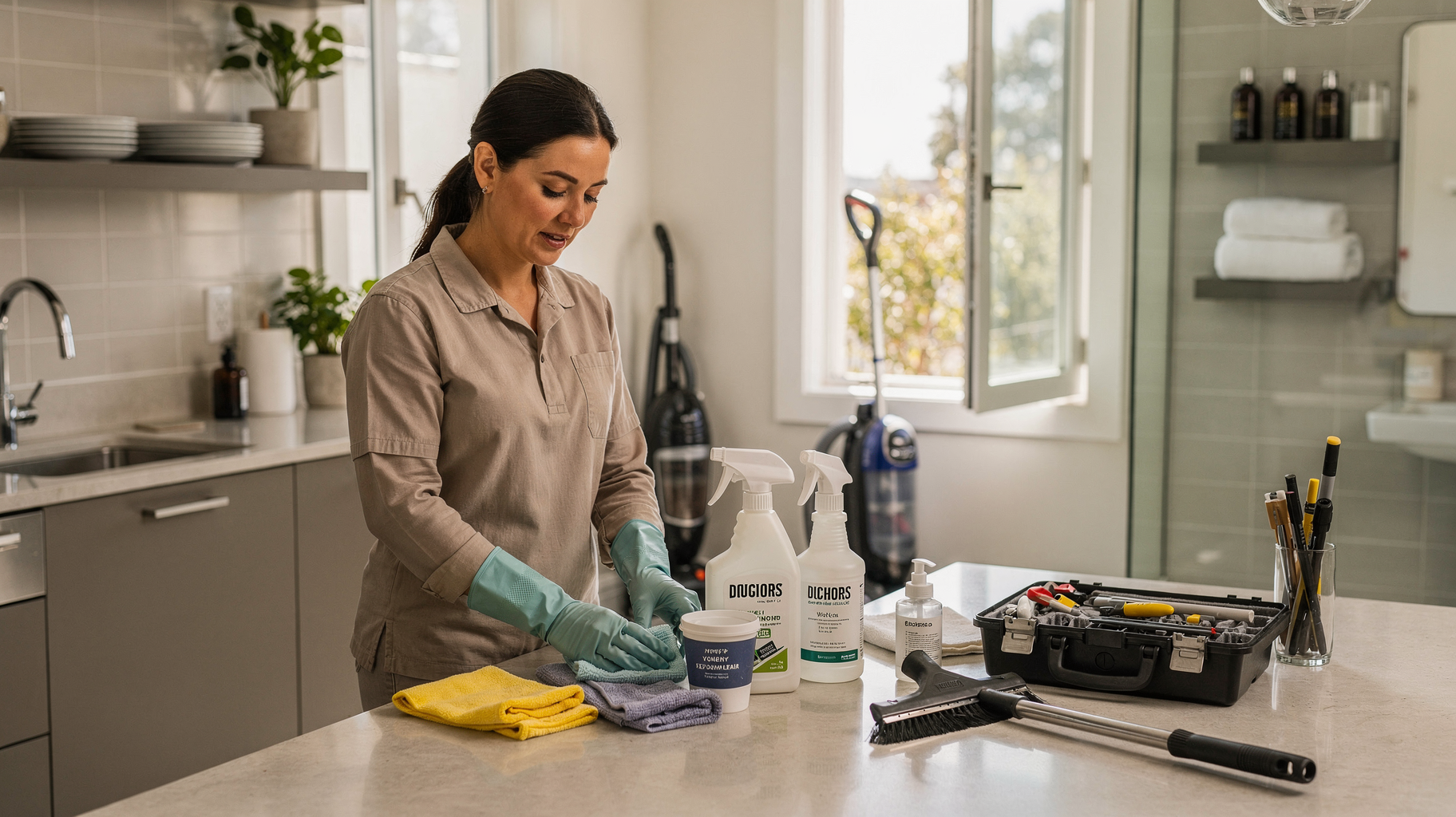
A strong deep cleaning schedule is not just about a spotless home; it is a smart operating system for short-term rentals and vacation rentals. For hosts, knowing what needs monthly attention versus annual care can protect the guest experience, reduce maintenance surprises, and support better property management and rental yield.
Deep cleaning is most effective when it is planned around use, wear, and risk. In practice, high-touch and high-moisture areas deserve frequent attention, while structural, seasonal, and hard-to-reach tasks can be reserved for a thorough annual reset.
Why deep cleaning matters in hosting
For hosts, cleaning is part of the product, not just a back-of-house task. A clean, fresh, well-maintained space helps build trust, improves reviews, and reduces the chance of last-minute complaints or costly damage claims. That matters in a market where guest expectations are high: Airbnb reported more than 1 billion guest check-ins since its launch, showing just how large and competitive the short-term rentals market has become. STR also reported in its 2024 outlook that many markets were still adjusting to supply growth and demand normalization, which makes operational quality a stronger differentiator for hosts than ever.
In other words, the cleaner and better maintained your property is, the more likely it is to stand out. Deep cleaning is not only about hygiene; it is also a revenue-protection strategy that supports occupancy, repeat bookings, and long-term asset care.
What belongs on a monthly deep cleaning schedule
Monthly deep cleaning should focus on the spaces and systems that collect grime quickly, affect the guest experience most visibly, or create odor, mold, and wear if neglected. These are the tasks that keep a property feeling consistently fresh between turnovers and reduce the need for emergency fixes.
- Kitchen interiors: Clean inside the refrigerator, microwave, oven, and cabinets; degrease the range hood; wipe backsplash grout; and clean under and behind appliances where possible.
- Bathrooms: Scrub grout, descale showerheads and faucets, clean the toilet base and behind the toilet, clear drain buildup, and wipe exhaust fan covers.
- Bedrooms: Vacuum under the bed, rotate or flip mattresses when appropriate, dust baseboards, clean blinds or window tracks, and wash decorative pillows or duvet covers if used.
- Living areas: Vacuum upholstery, clean under cushions, dust lamps and décor, and wipe baseboards, ceiling fans, and light fixtures.
- High-touch items: Sanitize remotes, switches, handles, drawer pulls, and thermostats, especially in high-turnover short-term rentals.
Many cleaning guides recommend monthly attention for kitchens and bathrooms because those rooms accumulate grease, moisture, and residue faster than other areas. That is especially true in vacation rentals, where guests cook differently, use bathrooms more intensively, and may not treat the home with the same care as a long-term resident.
What belongs on an annual deep cleaning schedule
Annual deep cleaning is the larger reset. It is the time to handle tasks that are too disruptive, too time-consuming, or too specialized for monthly routines. It also helps preserve finishes, appliances, and furniture over the long term.
- Carpets and rugs: Schedule professional steam cleaning or extraction to remove embedded dirt, allergens, and stains.
- Upholstery: Deep clean sofas, chairs, headboards, and other fabric furniture.
- Windows: Wash interior and exterior glass, clean screens, and detail tracks and sills.
- Appliance gaps and behind heavy furniture: Pull out major appliances and furniture to clean dust and debris that monthly upkeep misses.
- Grout and sealants: Inspect tile grout, recaulk where needed, and reseal surfaces such as stone, marble, or grout lines if the material requires it.
- HVAC and ventilation: Replace filters and consider deeper system servicing, including duct cleaning when recommended by a professional.
According to several cleaning schedules published in 2025 and 2026, a full-home deep clean is often recommended two to four times per year, while a more comprehensive annual reset handles the tasks that cannot be completed efficiently on a normal turnover day. That approach works well for hosts because it balances labor costs, wear prevention, and guest-ready presentation.
How to divide the workload across the year
The best deep cleaning schedule is realistic, repeatable, and tied to your booking calendar. Instead of saving everything for one exhausting day, many hosts do better with a monthly rotation plus one annual overhaul. This approach spreads out labor, reduces disruption, and helps property management stay predictable.
- Use occupancy as your guide: High-turnover short-term rentals may need monthly kitchen and bathroom deep cleans, while lower-use vacation rentals may stretch some tasks to every six to eight weeks.
- Pair deep cleaning with inspections: Use monthly cleaning time to inspect seals, hinges, drains, lighting, and appliance performance before minor issues become expensive repairs.
- Create room-based checklists: Assign one room or zone per month so the workload stays manageable and nothing gets forgotten.
- Schedule annual work during the slow season: Plan carpet cleaning, upholstery cleaning, or repainting when occupancy is lower to reduce revenue disruption.
This rotation model is especially useful for hosts managing multiple properties. It keeps standards consistent while avoiding the burnout that often comes from treating deep cleaning as a last-minute scramble.
Practical host strategies that improve results
Beyond the schedule itself, a few operational habits can make deep cleaning much more effective.
- Build deep cleaning into pricing: Treat it as a recurring operating expense rather than an occasional extra. That protects margin and supports sustainable rental yield.
- Standardize supplies: Keep the same products, tools, and checklist across units so cleaners and co-hosts can work faster and more accurately.
- Document before and after: Photos help track wear, support claims, and create accountability for cleaning teams.
- Inspect guest-impact zones first: Focus on bathrooms, kitchens, bedding, and odor-prone areas before decorative details.
- Use preventive maintenance: Replace filters, treat stains immediately, and clean spills before they become permanent issues.
These practices strengthen guest experience because the property feels consistently cared for, not just superficially cleaned. In competitive markets, that difference can affect review scores, repeat stays, and occupancy.
Common mistakes hosts make with deep cleaning
One of the biggest mistakes is confusing turnover cleaning with deep cleaning. A fast reset may make a property look good, but it often misses hidden dirt, appliance buildup, and maintenance risks. Another common mistake is waiting too long to address high-moisture or high-traffic areas, which can lead to odors, mold growth, or visible wear that guests notice immediately.
Hosts also sometimes over-schedule annual tasks and under-schedule monthly ones. That creates a cycle of visible cleanliness followed by gradual decline. For short-term rentals, the better strategy is consistent upkeep with one or two larger resets each year.
How to make the schedule actually work
A deep cleaning plan only helps if it is easy to execute. The most reliable systems are simple enough to maintain during busy booking periods and detailed enough to guide staff or vendors.
- Keep one master checklist: Break it into monthly, quarterly, and annual sections so nothing gets lost.
- Assign ownership: Make it clear whether you, your cleaner, or your property management partner is responsible for each task.
- Review after busy seasons: Update the schedule based on guest volume, weather, pet stays, family bookings, or local events.
- Track problem areas: If a bathroom, sofa, or entryway wears faster than expected, increase the frequency before damage spreads.
Done well, deep cleaning becomes part of your brand. Guests may not notice every detail when it is done correctly, but they will notice freshness, comfort, and care. That is what turns a functional stay into a memorable one, and what helps a host build a more resilient business over time.
A thoughtful deep cleaning schedule protects your property, supports smoother hosting, and helps your space deliver the kind of consistency guests remember. If you are refining your own system for short-term rentals or vacation rentals, keep testing what works, keep documenting what matters, and keep raising your standard one month at a time. Share your thoughts and join the hosting community by comparing schedules, swapping tips, and learning from other property management experiences.