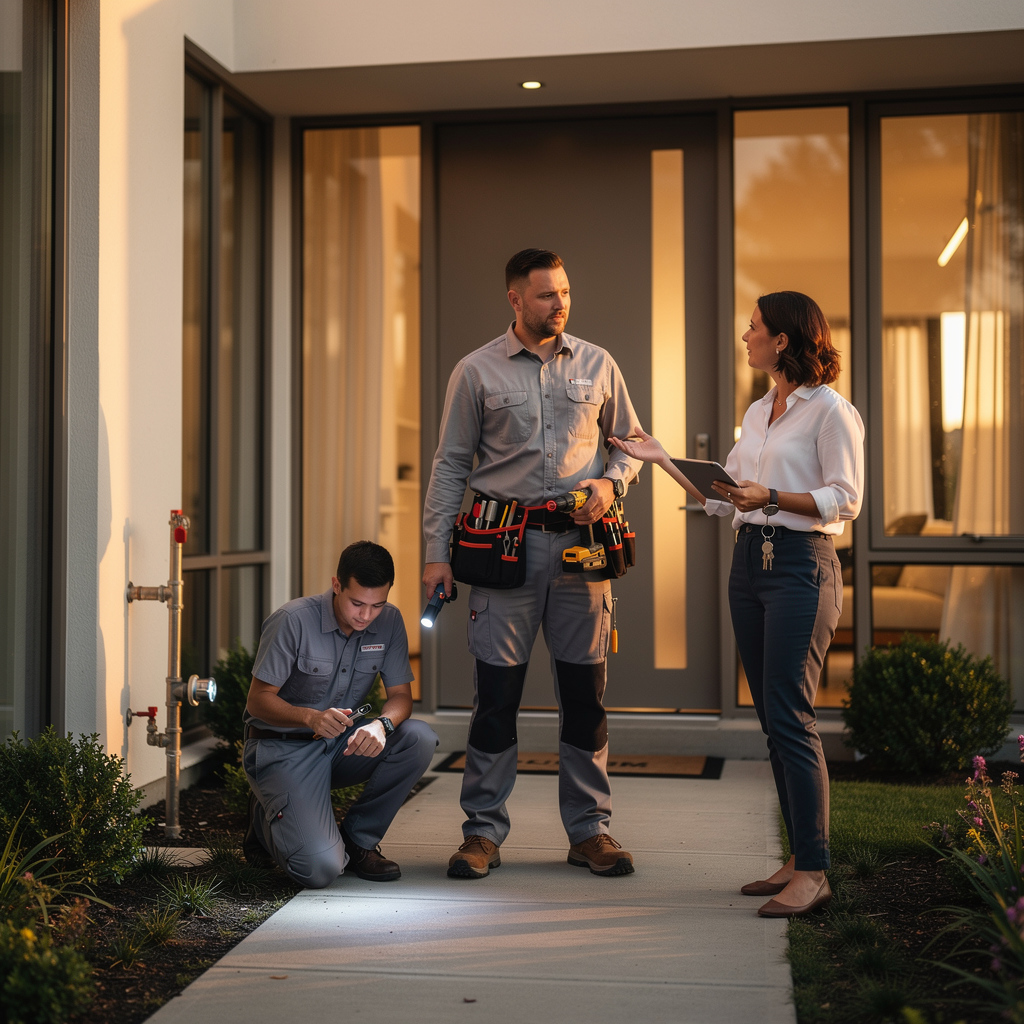
In short-term rentals, the difference between a stressful operation and a scalable business often comes down to one thing: who is on your local support team. A dependable network of handymen, plumbers, and co-hosts can protect your guest experience, reduce emergencies, and improve rental yield.
Many successful hosts discover that great hosting is not just about design or pricing—it is about having the right people available when something breaks, a guest needs help, or a same-day turnover runs late. In property management, local relationships are operational insurance.
Why a Local Support Team Matters
Short-term rentals are experience-driven businesses, and guests notice small issues fast. A loose faucet, a broken lock, or a delayed response to a late check-in can quickly affect reviews and repeat bookings. A local support team gives hosts speed, accountability, and flexibility, especially when managing properties remotely or across multiple locations.
Industry data shows why this matters. Airbnb reported that in 2023 it had more than 7.7 million active listings worldwide, a scale that makes reliable operations essential for standing out in crowded markets. STR market reporting from AirDNA has also shown that professionalized operations are increasingly important as occupancy and revenue performance vary widely by market and season. These trends reinforce a simple truth: hosts who build strong on-the-ground support are better positioned to protect both guest satisfaction and revenue.
The Core Roles Every Host Should Build
A well-structured local team does not need to be large, but it does need to be clear. The most effective setup usually includes three core roles: a handyperson for fast fixes, a plumber for specialized repairs, and a co-host or local operations partner to manage guest-facing tasks and coordination.
Handymen handle the everyday issues that can derail a stay: furniture assembly, minor wall repairs, replacement parts, loose fixtures, batteries, smoke alarm maintenance, and quick troubleshooting. In short-term rentals, speed matters more than perfection for many of these tasks.
Plumbers are essential because plumbing problems can create immediate guest complaints and expensive damage. A clogged drain, leaking toilet, or water heater failure can become a review-damaging emergency if the right person is not available quickly.
Co-hosts act as the local bridge between the property and the guest. They may manage communication, oversee turnovers, inspect the home, coordinate vendors, and respond when something unexpected happens. For remote owners, a co-host can be the difference between reactive management and a smooth operation.
How to Find the Right People
The best support teams are rarely built from random searches alone. They are usually assembled through referrals, local host communities, real estate contacts, and vendor relationships developed over time. The goal is not just to find someone who can do the work, but someone who understands the pace and expectations of vacation rentals.
When vetting candidates, look for three qualities: responsiveness, consistency, and communication. A skilled handyman who answers messages two days later is less useful than a slightly less experienced one who responds quickly and shows up when promised. The same applies to plumbers and co-hosts.
Ask practical questions during screening:
- How quickly can they respond to urgent issues?
- Do they offer after-hours or weekend support?
- Have they worked with short-term rentals before?
- Can they share photos, notes, or completion updates after each job?
- Do they understand guest-facing service standards?
For co-hosts, go further. Ask how they handle emergencies, how often they inspect the property, and what tools they use for scheduling, messaging, and reporting. In property management, clarity at the start prevents confusion later.
Set Expectations Before Problems Happen
Successful hosting depends on documented expectations. A local team should know exactly what good looks like, how communication should happen, and who is responsible for each type of issue. Written agreements, checklists, and response-time standards reduce friction and protect your business.
One important practice is to create simple service levels for each role. For example, non-urgent maintenance might require a response within 24 hours, while plumbing emergencies should be acknowledged within 30 minutes if possible. For a co-host, guest messages may need same-day response standards, while turnover inspections may need to be completed before each check-in.
This is especially useful in larger short-term rentals portfolios, where delays can multiply. Clear systems help hosts avoid repeating the same explanations and keep the guest experience consistent across listings.
Practical Systems That Make the Team Work
A local support team becomes far more effective when paired with strong systems. Technology does not replace people, but it helps coordinate them. Property management software, shared checklists, photo-based inspections, and task-tracking tools make it easier to assign work and verify completion.
For example, if a guest reports a leaking sink, the process should be simple: receive the message, assign the plumber, confirm the fix, and update the guest. If a light bulb goes out between stays, the handyman can be scheduled through a checklist tied to turnover tasks. If a guest arrives early, the co-host can manage communication and adjust logistics before the situation escalates.
Hosts who want to scale should think in systems, not improvisation. The more repeatable the process, the easier it is to grow without losing control of service quality.
Actionable Strategies for Building a Strong Local Team
Use these practical steps to create a support network that improves both operations and revenue:
- Create a backup for every critical role. Never rely on a single handyman or plumber. If one person is unavailable, the business should still function.
- Put contact details and responsibilities in one place. Keep vendor names, emergency numbers, access instructions, and job history in a shared system that is easy to update.
- Start with small test jobs. Before assigning urgent work, give new vendors minor tasks to evaluate reliability, communication, and quality.
- Reward consistency. Reliable local partners are valuable assets. Paying promptly and communicating respectfully helps retain them.
- Review performance regularly. Track response times, issue resolution speed, guest complaints, and repeat job quality so you can improve the team over time.
These strategies are especially important in vacation rentals because the cost of failure is not only repair expense. It also includes lost nights, lower review scores, and reduced booking confidence.
How a Co-Host Strengthens Guest Experience
Among all local partners, the co-host often has the biggest effect on guest experience. A good co-host can greet guests, oversee turnovers, check that amenities are ready, and serve as a calm point of contact when problems arise. This local presence can make a property feel more professional and more personal at the same time.
For owners managing remotely, co-hosts also reduce stress. They can walk the property, verify repairs, and catch small issues before guests do. In many cases, that early intervention protects the listing from avoidable complaints and helps maintain pricing power. A cleaner operation supports stronger reviews, and stronger reviews support better rental yield.
However, co-hosts should not be chosen only for convenience. They need hospitality instincts, reliability, and a strong sense of ownership. The best co-hosts think like operators, not just assistants.
Balancing Cost and Value
It is tempting to choose the cheapest local support options, especially when margins feel tight. But short-term rentals reward quality and responsiveness more than bargain pricing alone. A low-cost repair that fails quickly may cost more than a slightly higher-priced fix that lasts. A co-host who misses details may create guest issues that damage revenue far beyond their fee.
Hosts should evaluate support partners based on total value: speed, workmanship, guest impact, and reduced risk. In property management, a strong team often pays for itself through fewer emergencies, better reviews, and fewer lost bookings.
That is why experienced operators often invest early in relationships rather than waiting until a crisis forces rushed hiring. The right local team becomes a competitive advantage.
Building for Long-Term Growth
As your portfolio grows, the team structure should grow with it. One property may only need a trustworthy handyman and an on-call plumber. Five properties may need a dedicated co-host, backup vendors, and more formal scheduling. Ten or more properties may require a more layered system with clear communication channels and stronger oversight.
Growth works best when each role is clearly defined. Handymen handle speed and flexibility, plumbers handle technical emergencies, and co-hosts support operations and guest care. Together, they create the local foundation that allows hosts to scale without sacrificing service.
Ultimately, building a local support team is about more than solving problems. It is about designing a better hosting business—one that feels dependable to guests, manageable to owners, and resilient in the face of surprises.
When your team is strong, your short-term rentals become easier to run, your guest experience improves, and your business becomes more valuable over time. If you are building your own support network, keep refining it, keep documenting what works, and keep investing in relationships that help your property management run smoothly. The strongest hosts are rarely the ones who do everything alone; they are the ones who know how to build the right people around them. If this reflects your journey, share your thoughts and join the hosting community conversation.