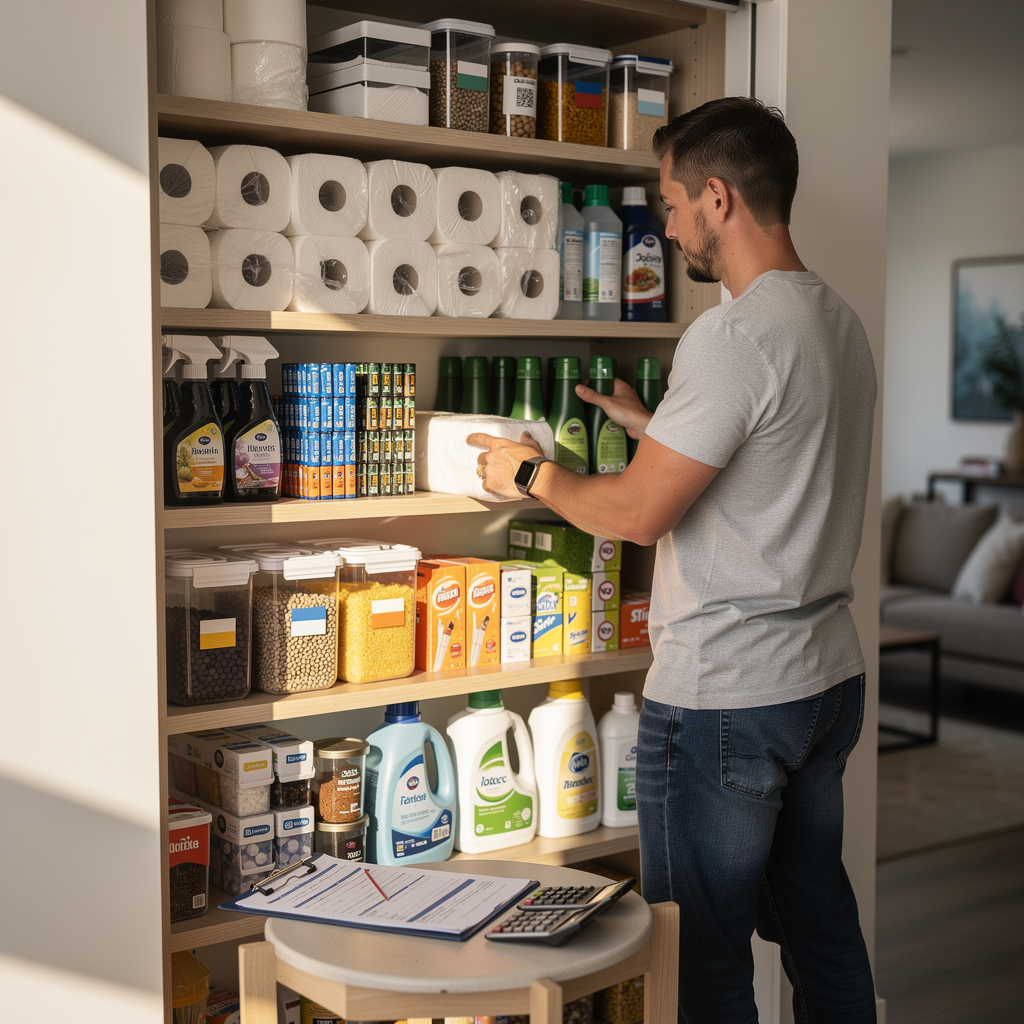
Buying in bulk can lower costs fast, but only if you choose the right supplies. For hosts in short-term rentals and vacation rentals, the smartest bulk purchases are the ones that reduce replacement cycles, protect the guest experience, and improve property management efficiency without creating clutter or waste.
Why bulk buying matters for hosts
In hosting, every recurring supply cost affects your margins and rental yield. A cheap item that runs out often can become expensive once you add delivery fees, rushed restocking, and the time spent managing it. The goal is not to buy everything in larger quantities; it is to stock the items you use consistently, store safely, and replace less often.
That is especially important in a market where small savings add up. LendingTree’s 2024 analysis found that shoppers could save 27% on average by buying in bulk across 44 common products, and 41% of bulk shoppers estimated monthly savings of $25 to $50.[7] For hosts managing multiple turnovers, even modest per-stay savings can meaningfully improve margins over the year.[7]
What actually saves money in bulk
The best bulk buys for short-term rentals are predictable, durable, and easy to store. Household staples such as paper towels, toilet paper, batteries, laundry detergent, trash bags, soap, toothpaste, and deodorant are often strong candidates because they are used frequently and have long enough shelf lives to justify larger orders.[1][3][9]
Nonperishable pantry items can also work well, especially in properties where you offer welcome baskets or light self-catering support. Items like rice, pasta, beans, flour, sugar, oil, and canned goods are frequently cited as smart bulk purchases because they are shelf-stable and easy to portion.[1][4] For hosts, these products are most useful when they are used as part of a consistent replenishment system rather than treated as emergency backups.
Some bulk categories deliver especially strong value. A LendingTree study reported that paper towels and batteries were among the best bulk buys, with savings of 65% and 60% respectively over smaller alternatives in selected comparisons.[7] That kind of spread matters for property management because these are items guests notice when they are missing, but rarely appreciate until they are not there.
What looks cheap but often wastes money
Bulk buying is not automatically economical. Perishable foods, slow-moving specialty items, and products with short shelf lives can quietly erode savings if they expire before use. AARP notes that toothpaste generally has a two-year shelf life, while soap typically lasts two to three years, and some products such as body wash and shower gels also have limited usefulness once opened.[3] That means hosts should think in turnover cycles, not just unit prices.
Another common mistake is buying too much of an item that varies by property type. For example, a large family-friendly vacation rental may use more dishwasher pods, paper towels, and trash bags than a one-bedroom city apartment, while a business-travel unit may go through more coffee, bottled water, and laundry products. Bulk is only a bargain when the consumption rate is stable and the storage space exists to support it.[4]
How to decide whether a bulk purchase is worth it
The simplest test is to compare cost per unit, expected usage, and storage capacity. The Penny Hoarder recommends checking the total price and the price per unit, then dividing to see whether the larger package really wins.[1] This is especially useful for hosts because bulk packaging can look cheaper even when the unit price is worse.
Ask three questions before buying:
- Will this item be used before it expires or loses effectiveness?
- Does the bulk price beat the smaller package on a true per-use basis?
- Do I have clean, dry, organized storage for it?
If the answer to any of these is no, the item is probably better bought in smaller quantities, even if the headline price seems attractive.
Best bulk categories for short-term rentals
For hosting teams, the best bulk categories are usually the ones tied directly to turnover and guest readiness. Paper products are especially reliable because they are consumed consistently and are easy to standardize across listings.[7][8] Batteries are another strong option, particularly for remotes, locks, smoke detectors, thermostats, and other small devices that affect the guest experience.[7][8]
Cleaning and laundry supplies are also smart candidates when they are used across every stay. Detergent, dish soap, disinfecting wipes, hand soap, and trash bags typically have enough shelf life and recurring use to justify bulk purchasing.[1][9] In many vacation rentals, these items are among the highest-frequency restock needs, which makes them ideal for a standing order or warehouse-club run.
For pantry basics, bulk works best when the property offers a modest amenity set rather than a full-service kitchen. Pasta, rice, oats, coffee, tea, sugar, salt, and cooking oil can add value without becoming wasteful, especially in extended-stay properties.[1][4] These items support a more thoughtful guest experience while keeping the kitchen stocked efficiently.
Three practical strategies for hosts
- Standardize your supply list across every property so you know exactly which items deserve bulk purchasing and which should be bought only as needed.
- Track turnover consumption for at least one month so you can identify the products that run out every week and the ones that sit untouched.
- Use a unit-price threshold to decide. If the bulk pack does not clearly beat the smaller pack per roll, per ounce, or per use, skip it.
- Match storage to buying by keeping a dedicated, labeled supply area so bulk purchases do not create clutter or get forgotten.
- Buy in bulk only for predictable items that are used in nearly every turnover, not for decorative, seasonal, or guest-preference items that vary widely.
How bulk buying improves operations, not just costs
The strongest reason to buy in bulk is not only saving money at checkout. It is reducing the operational friction that makes hosting harder. Fewer emergency store runs mean faster turnovers, more reliable check-ins, and fewer last-minute substitutions that can weaken the guest experience.
Bulk buying also helps property management teams create consistency. When every unit uses the same soap, detergent, trash bags, and paper goods, it becomes easier to forecast, replenish, and train staff. That consistency protects quality across multiple short-term rentals and can make the business feel more professional to guests.
There is also a hidden efficiency gain. A well-planned bulk system reduces decision fatigue because you are not constantly re-evaluating the same products. Instead of chasing small savings on every shopping trip, you can focus on the few categories that genuinely move the needle on rental yield.
When bulk buying is especially smart
Bulk buying is most effective when you have multiple listings, frequent turnovers, or a property with higher occupancy. The more often a supply is used, the more likely bulk pricing will beat convenience buying. It is also more effective when you can store products in a dry, secure, and organized area that keeps inventory visible.
It can be especially useful before peak season. Stocking up ahead of high-demand periods can reduce supply stress when bookings rise, vendors get slower, and restocking becomes more difficult. That preparation can support smoother operations and more reliable hosting during your busiest weeks.
Smart caution: what to check before you stock up
Before you commit to a large order, inspect packaging quality, expiry dates, and product compatibility. Food items and toiletries can lose value if they sit too long, and some products may not match your property’s brand standards or guest expectations.[1][4] In bulk buying, the cheapest option is not always the best option.
It also helps to think about waste. A supply that saves money but gets thrown away later is not a savings strategy; it is inventory loss. The most effective hosts buy only what they can realistically use during the next turnover cycle or two.
For many hosts, the answer is to build a short list of “always bulk” items: paper towels, toilet paper, trash bags, batteries, detergent, hand soap, and the pantry staples that support your typical guest profile.[1][7][9] Everything else can stay on a smaller, more flexible purchasing schedule.
When bulk buying is done well, it becomes a quiet advantage: lower restock costs, smoother operations, and a better guest experience without extra effort. That is the kind of practical discipline that strengthens short-term rentals, protects vacation rentals from waste, and supports healthier property management over time. If you are refining your own hosting system, keep testing what truly saves money, and share your thoughts with fellow hosts in the community.