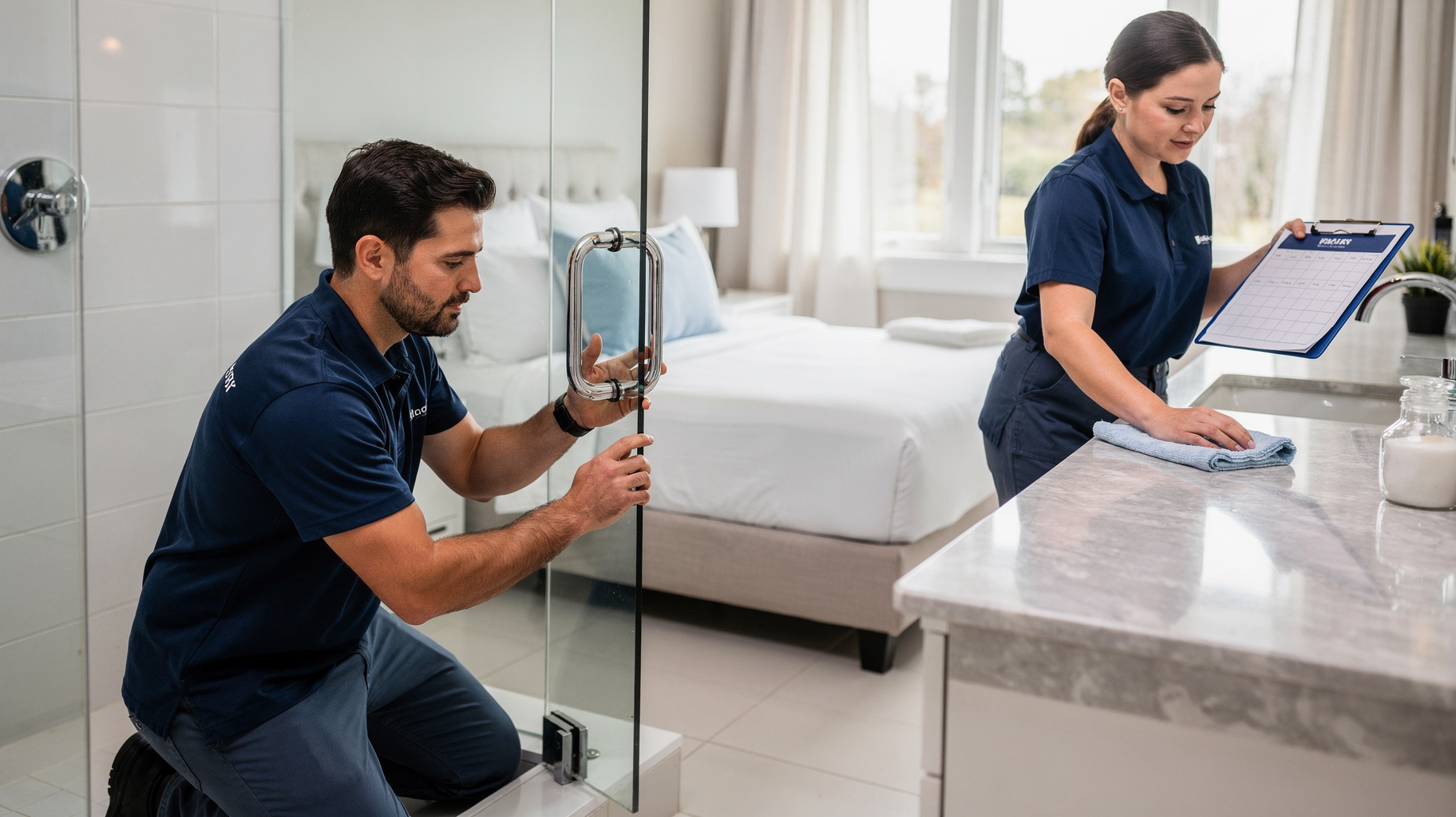
In short-term rentals, the difference between a five-star review and a complaint often comes down to a few overlooked details: a dusty baseboard, a missed hair in the shower, or a trash bin that was never reset. For vacation rentals and property management teams, a strong cleaning checklist is not just an operations tool—it is a guest experience safeguard and a direct protector of rental yield.
Why Cleaning Checklists Matter More Than Ever
A cleaning crew can be skilled and still miss important tasks when the process is inconsistent. A checklist creates repeatability, clarifies expectations, and helps teams catch the small details that guests notice first. Industry guidance from Jobber emphasizes that cleaners should use clear task descriptions, train staff to follow the checklist on the job, and update it as processes change, while Estimatty recommends room-by-room systems because they are easier to execute and less likely to be misread [2][3].
The stakes are high in hospitality. Airbnb reported that over 200 million guest arrivals occurred in 2023, underscoring the scale of the short-term rental market and the number of chances for cleaning issues to affect reviews [5]. In addition, Airbnb’s 2024 Summer Release highlighted new tools focused on improving hosting operations and guest confidence, reinforcing how central reliability and consistency are to modern hosting [6].
What a Great Cleaning Checklist Actually Does
A high-performing checklist is more than a list of chores. It defines scope, sequence, quality standards, and accountability. In property management, it should tell a cleaner what to do, where to do it, how to verify it, and what to report if something is wrong.
The best checklists also reduce ambiguity. Estimatty notes that if a cleaner cannot tell within five seconds whether a task is included, the checklist is too loose [3]. That is especially true in vacation rentals, where one property may need a basic turnover while another requires premium detailing, linen staging, and extra touchpoint cleaning.
The Most Common Reasons Spots Get Missed
Missed spots usually come from process failures, not laziness. The most common causes include rushed turnovers, unclear room priorities, vague language, no final inspection, and inconsistent training. Jobber recommends walkthroughs with the client, recording special notes, pet information, problem areas, and requested add-on services before the first visit [2]. Without that context, crews often clean the obvious areas while missing the places that matter most to guests.
Another problem is that many teams rely on memory. Memory is fragile during back-to-back turnovers, especially when cleaning teams are managing laundry, restocking, and same-day arrivals. A checklist turns memory into a system.
The Best Structure for a Turnover Checklist
The strongest checklists are organized by room and by priority. Adobe Express recommends organizing tasks by room or by cleaning frequency, such as daily versus weekly work [1]. For short-term rentals, that means separating the kitchen, bathrooms, bedrooms, living areas, floors, and touchpoints so nothing is hidden inside a long generic list.
A practical structure should include:
- Entry and first impression: door, lockbox area, welcome mat, visible dust, and smell check.
- Kitchen reset: counters, sink, stovetop, appliance exteriors, cabinet fronts, trash, and floor edges.
- Bathroom detail: mirror, sink, toilet base, shower corners, hair check, refill items, and floor corners.
- Bedroom presentation: bedding alignment, under-bed check, nightstands, remote controls, and lint removal.
- Living area inspection: cushions, table surfaces, decor dusting, under furniture, and high-touch surfaces.
- Final verification: lights, windows, smell, supplies, and photo proof if needed.
How to Build a Checklist That Prevents Complaints
To eliminate missed spots, the checklist must be specific enough to guide behavior. “Clean bathroom” is too vague. “Wipe sink faucet, check shower corners for hair, polish mirror edges, clean toilet base, and inspect floor corners” is far more effective. Specific language reduces interpretation errors and helps teams work to a shared standard.
Jobber also recommends reviewing the client profile for special notes, sending appointment reminders, and ensuring all cleaners are trained to complete every task on the checklist [2]. In practice, that means the checklist should be connected to scheduling, onboarding, and quality control—not treated as a standalone paper form.
- Use exact task language: Replace broad phrases with observable actions and finish standards.
- Group tasks by zone: Put related tasks together so cleaners move efficiently and do not double back.
- Mark optional services clearly: Separate standard tasks from add-ons to avoid under-cleaning or over-servicing.
- Include a final scan: Every turnover should end with a visual sweep for hair, smudges, odors, and misplaced items.
- Add a report section: Crews should note damage, missing supplies, stains, or maintenance issues before leaving.
Tips for Hosts and Property Managers
For hosts, the checklist is only one part of the system. The most reliable operations combine good documentation, staff training, and feedback loops. In vacation rentals, even a small improvement in consistency can reduce complaint volume and improve review quality, which supports stronger occupancy and rental yield over time.
- Create property-specific versions: A city apartment, beach house, and mountain cabin will not need the same checklist.
- Assign priority zones: Focus on the places guests notice first, such as entryways, bathrooms, beds, and kitchen surfaces.
- Use photo standards: Show crews what “done” looks like with reference images for beds, cushions, counters, and bathrooms.
- Schedule spot checks: Occasional inspections catch repeat errors before they become review problems.
- Track recurring complaints: If guests keep mentioning dust, smells, or hair, add those items to the checklist and retrain the team.
Training the Crew to Actually Use the Checklist
A checklist only works when the team treats it as part of the job, not as paperwork. Training should explain the purpose of each task, demonstrate the correct cleaning standard, and show how to document exceptions. Estimatty recommends tying the checklist to service definitions and workflow so teams know what is included in each job level [3].
That matters in property management because different properties can require different service levels. A basic turnover may cover reset cleaning, while a premium home may require deep detailing, staging, and additional inspection. If the checklist does not match the service scope, staff will either miss important work or spend time on tasks the host did not budget for.
Quality Control Steps That Catch Missed Spots
Quality control is the final defense against guest complaints. The best systems use a second look, either by a supervisor, a lead cleaner, or a self-inspection routine. A final check should focus on the places most often overlooked: behind doors, under sinks, faucet edges, shower corners, lamp switches, baseboards, and furniture edges.
Hosts can also use a simple pass-fail approach for high-impact items. If the bed is not perfectly staged, the mirror is streaked, or the bathroom has visible hair, the turnover is not complete. This standard keeps the team focused on guest-facing quality rather than merely finishing fast.
Why Better Checklists Protect Guest Experience and Revenue
Guests rarely see the checklist itself, but they feel its impact immediately. A clean, consistent space builds trust, supports better reviews, and improves the odds of repeat bookings. In short-term rentals, that translates into stronger occupancy and better pricing power. In other words, better operations support better hosting.
The cleaner the process, the less time hosts spend responding to complaints, sending apology messages, arranging re-cleans, or refunding stays. That time savings also helps property management teams scale without sacrificing standards.
Final Thought
A great cleaning checklist is not about micromanaging a crew; it is about creating a system that protects standards, saves time, and delivers a better guest experience every single turnover. For hosts who want stronger reviews, smoother operations, and healthier rental yield, the answer is not more pressure—it is a better process. Keep refining the checklist, keep training the team, and keep learning from what guests notice most. If this approach resonates with you, share your thoughts and join the conversation with other hosts committed to raising the standard in hosting.